
Weight Loss Motivation Tips
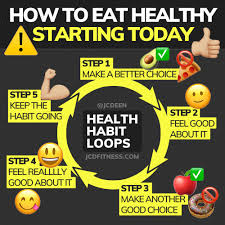
Staying motivated for weight loss means finding reasons that truly matter to you. Focus on small, consistent steps rather than drastic changes. Celebrate every win, no matter how small, and remember why you started this journey in the first place.
Understanding Weight Loss Motivation
Weight loss motivation is what drives you to start and continue with a healthy lifestyle. It’s not just about wanting to look different. It’s often tied to feeling better, having more energy, or improving your health.
This drive can come from inside you or from outside influences.
Internal motivation comes from within. You want to lose weight for yourself. This could be to feel more confident or to keep up with your kids.
External motivation comes from things outside yourself. This might be advice from a doctor or wanting to fit into a specific outfit.
Both types of motivation are important. But internal drive is usually stronger for long-term success. When your reasons are deeply personal, you’re more likely to push through tough times.
This is because your goals align with your core values.
Why Motivation Fades: The Common Pitfalls
Many factors can chip away at your motivation. One big reason is unrealistic expectations. We often see quick transformations online and think we should achieve them too.
When our progress isn’t as fast, we get discouraged. It’s easy to feel like we’ve failed.
Another common issue is focusing too much on the scale. Numbers on a scale can go up and down for many reasons. Stress, water retention, and even where you are in your monthly cycle can affect it.
This makes it a less reliable measure of progress.
Lack of support also plays a role. If the people around you don’t understand or support your efforts, it’s harder to stay committed. Feeling alone in your journey can make it feel overwhelming.
You might wonder if it’s even worth the effort.
All-or-nothing thinking is also a motivation killer. You have one “bad” day and decide the whole week is ruined. You might eat a cookie and then think, “I’ve blown it, might as well eat the whole box.” This mindset makes it hard to get back on track after a slip-up.
Finding Your Deep-Down “Why”
Your “why” is the core reason you want to lose weight. It needs to be more than just “I want to lose X pounds.” Dig deeper. What will losing weight allow you to do?
What will change in your life?
Think about your health. Maybe you want to lower your risk of heart disease or diabetes. Perhaps you want to have the energy to play with your grandchildren.
These are powerful, lasting motivators. They connect weight loss to your well-being and loved ones.
Consider your feelings. Do you want to feel more confident? Do you want to stop feeling tired all the time?
Connecting your weight loss goals to positive emotions can be very effective. It shifts the focus from what you’re losing to what you’re gaining.
Write down your “why.” Keep it somewhere visible. Maybe on your fridge or as your phone’s background. When you feel your motivation slipping, revisit your “why.” It’s a reminder of your purpose.
It helps you push through challenges.
Your Personal “Why” Ideas
Health Improvement: Lower blood pressure, reduce joint pain, increase stamina for daily tasks, prevent chronic diseases.
Energy & Vitality: Have more energy for work, hobbies, and family. Feel less fatigued throughout the day.
Confidence & Self-Esteem: Feel better in your clothes, feel more attractive, improve body image.
Active Lifestyle: Keep up with active children or pets, enjoy outdoor activities without limitation, travel more comfortably.
Longevity & Quality of Life: Live a longer, healthier life. Be able to participate fully in life’s moments.
Setting SMART Goals for Lasting Change
Vague goals like “eat healthier” are hard to track. SMART goals are specific and actionable. They give you a clear path and make progress easier to see.
SMART stands for Specific, Measurable, Achievable, Relevant, and Time-bound.
Let’s break it down. Specific means knowing exactly what you want to do. Instead of “exercise more,” try “walk for 30 minutes, three times a week.” Measurable means you can track it.
How many minutes? How many times?
Achievable means the goal is realistic for you right now. Don’t aim to run a marathon next month if you’ve never run before. Start with smaller, manageable steps.
It builds confidence as you meet them.
Relevant means the goal matters to your overall “why.” If your “why” is to have more energy, a goal about walking aligns with that. Time-bound means you set a deadline. “I will walk for 30 minutes, three times a week, for the next four weeks.”
Regularly reviewing your goals is key. As you achieve them, you can set new, slightly harder ones. This creates a sense of accomplishment.
It keeps you moving forward instead of staying stuck.
SMART Goal Examples for Weight Loss
Goal: Eat more vegetables.
SMART Version: Add one serving of vegetables to my lunch and dinner every day for the next two weeks.
Goal: Drink more water.
SMART Version: Drink eight 8-ounce glasses of water each day for the next month.
Goal: Lose weight.
SMART Version: Lose 1 pound per week for the next eight weeks by tracking my food intake and exercising 4 times a week.
Building a Supportive Environment
The people and places around you have a big impact. Making your environment work for you is crucial. Think about your home, your workplace, and your social life.
How can you make them supportive of your goals?
In your home, make healthy choices easy. Keep fruits and vegetables visible. Store less healthy snacks out of sight or out of the house.
Prepare healthy meals and snacks ahead of time. This makes it easier to grab something good when you’re busy or tired.
Talk to your family and friends about your goals. Ask for their support. Let them know what helps you and what makes it harder.
Sometimes, just sharing your journey can make a big difference. They might even join you.
At work, pack healthy lunches and snacks. Find opportunities for movement during the day. Take the stairs instead of the elevator.
Go for a short walk during your break. If you have a supportive colleague, try walking together.
Creating a Supportive Home Environment
Kitchen Makeover: Clear out junk food. Stock up on fresh produce, lean proteins, and whole grains. Keep healthy snacks easy to reach.
Meal Prep Station: Dedicate a space for prepping meals. Chop veggies, cook grains, and portion meals for the week ahead.
Visible Reminders: Place your “why” notes, your goal list, or a progress tracker where you see them daily.
Mindful Shopping: Make a grocery list and stick to it. Avoid impulse buys of unhealthy items.
The Power of Small Victories
Don’t wait for huge results to celebrate. Acknowledge and celebrate every small win along the way. This keeps your motivation high.
It shows you that your efforts are paying off, even if it’s not yet visible on the scale.
What counts as a small victory? Maybe you chose water over soda. Perhaps you went for a walk even though you didn’t feel like it.
You might have resisted a tempting treat. Or you found a healthy recipe you loved.
How can you celebrate? It doesn’t need to be big or expensive. Treat yourself to a new book.
Take a relaxing bath. Watch a movie you’ve been wanting to see. Spend extra time on a hobby you enjoy.
These rewards reinforce positive behavior.
Tracking your progress in different ways helps. Keep a food diary. Note down your workouts.
Track your sleep. Measure your waistline. Even if the scale isn’t moving much, you might see improvements in these other areas.
This can be very motivating.
Dealing with Setbacks and Plateaus
Setbacks and plateaus are normal parts of any weight loss journey. They don’t mean you’ve failed. They are opportunities to learn and adjust.
The key is not to let them derail you completely.
If you have a day where you overeat, don’t beat yourself up. Acknowledge it happened. Then, get back to your healthy routine with your next meal.
One “off” meal or day doesn’t undo all your progress. Think of it as a small detour, not a dead end.
Plateaus happen when your body gets used to your current routine. Weight loss might slow down or stop for a while. This is often a sign that you need to change things up.
Maybe you need to increase the intensity of your workouts. Or perhaps adjust your calorie intake slightly.
Don’t get discouraged by plateaus. They are a sign your body is adapting. This is a good thing!
It means you are getting healthier. You might need to be patient and consistent. Sometimes, just sticking with it will help you break through.
Strategies for Breaking Plateaus
Vary Your Workouts: Try new exercises or increase the intensity. Mix cardio with strength training.
Adjust Calorie Intake: Slightly reduce your daily calorie intake if your doctor or a dietitian advises it.
Increase Activity: Find more ways to move throughout the day. Take more steps, stand more often.
Focus on Non-Scale Victories: Notice how your clothes fit, your energy levels, and your strength.
Get Enough Sleep: Poor sleep can affect hormones that control appetite and metabolism.
Mindful Eating for Better Control
Mindful eating is about paying attention to your food and your body’s signals. It’s not a diet. It’s a way of eating that helps you enjoy your food more.
It also helps you recognize when you’re full.
Start by slowing down. Put your fork down between bites. Chew your food thoroughly.
This gives your brain time to register that you are eating. It also helps with digestion. You’ll feel full with less food.
Pay attention to your hunger and fullness cues. Before you eat, ask yourself: “Am I truly hungry?” During the meal, check in with yourself. “Am I starting to feel full?” Stop eating when you are comfortably satisfied, not stuffed.
Minimize distractions while eating. Turn off the TV. Put away your phone.
Focus on the taste, texture, and smell of your food. This makes the experience more enjoyable. It also helps you eat less.
Mindful Eating Habits
Pause Before Eating: Take a few deep breaths. Notice your hunger level.
Slow Down: Eat without rushing. Allow your body time to signal fullness.
Engage Your Senses: Notice the colors, smells, and tastes of your food.
Listen to Your Body: Stop when you feel satisfied, not overly full.
Avoid Distractions: Eat at a table, away from screens and work.
The Role of Exercise in Motivation
Exercise can be a powerful tool for boosting motivation. It releases endorphins, which are natural mood lifters. Feeling good physically can translate to feeling more motivated overall.
You might find yourself more energized and focused.
Find activities you genuinely enjoy. If you hate running, don’t force yourself to do it. Try dancing, hiking, swimming, or team sports.
When you look forward to your workouts, you’re more likely to stick with them.
Set realistic exercise goals. Start with what you can manage. Consistency is more important than intensity in the beginning.
Even short bursts of activity add up. Gradually increase the duration or intensity as you get fitter.
Pairing exercise with something you enjoy can also help. Listen to your favorite music or a podcast while you walk. Watch a show while on the treadmill.
This makes the time fly by. It can make exercise feel less like a chore.
Finding Your Tribe: The Power of Community
Connecting with others who share similar goals can be incredibly motivating. This could be through an online forum, a local support group, or even just a few friends who are also trying to lose weight.
Sharing your struggles and successes with others who understand can make you feel less alone. You can get advice, encouragement, and accountability from your “tribe.” They can offer support when you’re having a tough day. They can also cheer you on when you reach milestones.
Group activities can also make fitness more fun. Joining a fitness class or a sports league provides a sense of camaraderie. It also adds a social element to exercise.
This can make it feel less like work and more like a fun outing.
When looking for a community, make sure it’s a positive one. Avoid groups that focus too much on comparison or negativity. You want a space where people lift each other up.
Focus on progress and support, not perfection.
Finding Your Weight Loss Community
Online Forums: Websites like Reddit or dedicated health forums offer spaces for support.
Local Support Groups: Check community centers, gyms, or hospitals for local weight loss groups.
Fitness Classes: Yoga studios, CrossFit gyms, or community recreation centers offer group exercise.
Accountability Partners: Find a friend or family member with similar goals to check in with regularly.
Social Media Groups: Many platforms have private groups focused on healthy living and weight loss.
The Long Game: Consistency Over Perfection
It’s easy to get caught up in the idea of perfection. We want to do everything right, all the time. But weight loss is a marathon, not a sprint.
Consistency is far more important than perfection.
There will be days when you don’t eat perfectly. There will be days when you miss a workout. This is normal.
What matters is that you get back on track the next day. Don’t let one slip-up turn into a week of poor choices.
Focus on building sustainable habits. Small changes that you can maintain long-term are more effective than drastic, temporary ones. Think about what you can realistically incorporate into your life forever.
This is the key to lasting success.
Celebrate your consistency. Did you make healthy choices for five days straight? That’s fantastic!
Acknowledge that. Keep building on that consistency. Over time, these consistent efforts add up to significant results.
When to Seek Professional Help
While self-motivation is powerful, there are times when professional guidance is needed. If you’re struggling to lose weight despite consistent effort, a doctor or registered dietitian can help. They can identify underlying issues or create a personalized plan.
If you have health conditions like diabetes, heart disease, or an eating disorder, professional advice is essential. They can ensure your weight loss efforts are safe and effective for your specific needs. They can also help you manage your condition.
A therapist or counselor can also be a valuable resource. They can help you address emotional eating, body image issues, or other psychological factors that may be affecting your weight. Sometimes, our relationship with food is complex and needs expert attention.
Don’t hesitate to reach out for help. It’s a sign of strength, not weakness. Professionals have the expertise to guide you safely and effectively.
They can provide tailored strategies that work for your unique situation.
When to Consult a Professional
Struggling to Lose Weight: If you’re not seeing results despite consistent effort.
Underlying Health Conditions: Diabetes, heart disease, thyroid issues, PCOS, etc.
History of Eating Disorders: Anorexia, bulimia, binge eating disorder.
Emotional Eating: Using food to cope with stress, sadness, or other emotions.
Unsure About Nutrition: Need guidance on healthy eating plans and portion sizes.
Need for Accountability: Require structured support and monitoring.
Maintaining Motivation Long-Term
Maintaining motivation isn’t about constant enthusiasm. It’s about building resilience. It’s about having systems in place that keep you going even when your excitement fades.
This involves a combination of strategies.
Continuously re-evaluate your “why.” As you make progress, your reasons might evolve. Your goals might shift. Keep your motivation fresh by connecting to new aspects of your improved well-being.
Stay engaged with healthy activities. Try new recipes. Explore different types of exercise.
Keep your routine interesting. Novelty can help prevent boredom and reignite enthusiasm.
Practice self-compassion. Be kind to yourself. Understand that progress isn’t always linear.
Forgive yourself for slip-ups and focus on moving forward. This mindset is key to long-term success.
Conclusion: Your Journey, Your Motivation
Finding and keeping weight loss motivation is a personal journey. It requires self-awareness, patience, and consistent effort. By understanding your “why,” setting SMART goals, and building a supportive environment, you can stay on track.
Remember that setbacks are part of the process. Learn from them and keep moving forward. Celebrate your progress, big or small.
And don’t hesitate to seek professional help when needed. Your well-being is worth the effort.
Frequently Asked Questions About Weight Loss Motivation
How can I find motivation when I feel like giving up?
Revisit your core “why.” Think about what initially made you want to lose weight. Connect with your goals and remind yourself of the benefits. Also, try focusing on small, achievable steps for today.
Sometimes breaking it down makes it feel less overwhelming.
Is it normal for motivation to fluctuate?
Yes, absolutely. Motivation is not a constant state. It naturally ebbs and flows.
What’s important is to have strategies to keep going even when your motivation is low. This is where discipline and good habits come in.
How can I stay motivated if I’m not seeing results quickly?
Focus on non-scale victories. Are you sleeping better? Do you have more energy?
Are your clothes fitting differently? Track these things. Also, ensure your goals are realistic and consider talking to a healthcare professional.
Sometimes slow progress is still progress.
What’s the best way to use exercise for motivation?
Find activities you genuinely enjoy. Exercise should feel rewarding, not like a punishment. Try different things until you find what clicks.
Also, exercising with a friend or in a group can provide social motivation and accountability.
Can friends and family really help with weight loss motivation?
Yes, they can be a huge help! Ask for their support and let them know what you need. Having a cheer squad can make a big difference.
Be mindful of their support style, though; you want encouragement, not pressure.
How do I avoid “all-or-nothing” thinking when I slip up?
View slip-ups as learning opportunities, not failures. One less-than-perfect meal or day doesn’t ruin your progress. Acknowledge it happened, and then simply return to your healthy habits with your very next choice.
Forgiveness and moving on are key.


Leave a Comment